VA Plot Allowance: What Families Get When a Veteran Is Buried Outside a National Cemetery
When a veteran is buried in a private cemetery instead of a VA national cemetery, the family can claim a VA plot allowance — a payment toward the cost of the burial plot or interment. It's easy to miss, and that is exactly what happens to many families: they pay the cemetery, never file a claim, and never learn the allowance existed. The plot allowance is separate from the burial allowance, and a family can qualify for one, the other, or both, depending on the circumstances of the death and where the veteran is buried. The VA plot allowance — also called the VA interment allowance — helps with the cost of a burial plot when an eligible veteran is buried in a private cemetery.
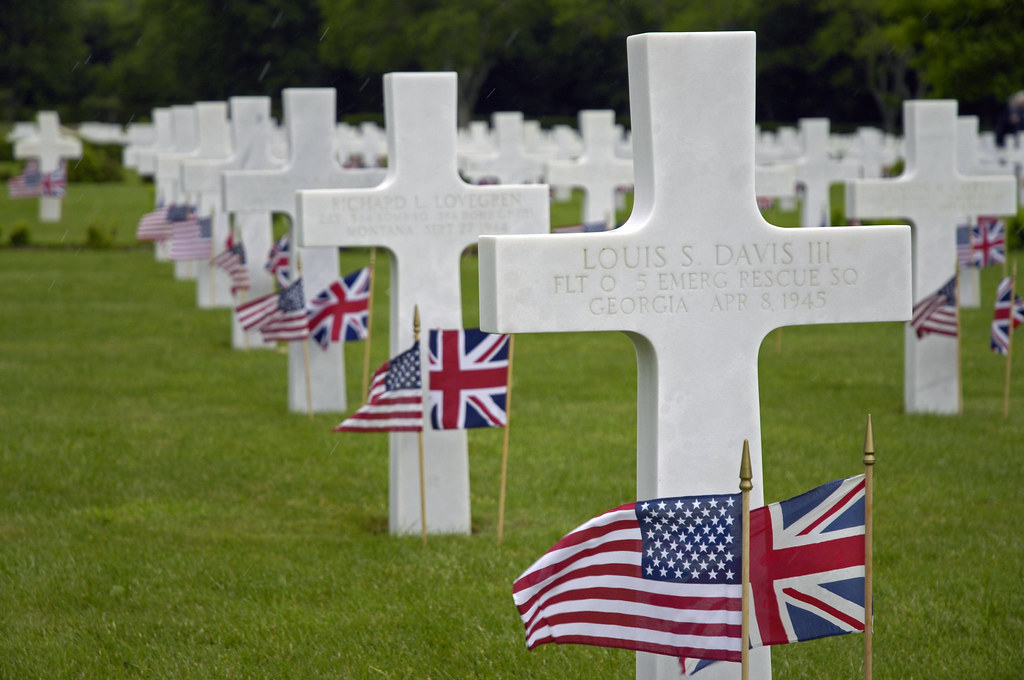
A veteran plot allowance private cemetery claim is made separately from the burial allowance, and the VA burial allowance covers a different part of the funeral costs. Check which allowances apply to your case and what evidence the VA asks for, and keep receipts for the costs you claim.
The short answer: the plot allowance applies only when the veteran is buried somewhere other than a VA national cemetery. Burial in a national cemetery is already provided at no cost to the family, so there is no plot to pay for and no allowance to claim. In a private cemetery, the VA pays a fixed amount toward the plot or interment, and the amount depends on when the veteran died and whether the death was connected to military service.
What the plot allowance covers
The plot allowance is a partial reimbursement, not a payment that covers a funeral. The Department of Veterans Affairs describes its burial benefits as partial reimbursement of burial and funeral costs, and the plot allowance is the part tied to the burial plot or interment space. It sits alongside the burial allowance, which covers funeral and burial costs more generally, and the headstone or marker allowance, which covers the marker placed on the grave.
The distinction matters because families often assume one claim covers everything. It doesn't. The burial allowance and the plot allowance are separate payments with separate amounts, and both are claimed on the same form. If the veteran is buried in a VA national cemetery, the cemetery, the headstone or marker, and the opening and closing of the grave are provided by the VA, and the plot allowance doesn't apply. If the veteran is buried in a private cemetery, a state veterans cemetery, or another non-VA cemetery, the plot allowance is the payment that recognizes the cost of the plot.
How much the plot allowance pays
For a non-service-connected death on or after October 1, 2026, the VA pays up to $1,032 for burial and up to $1,032 for the plot or interment. For deaths between October 1, 2025 and September 30, 2026, each figure was $1,002. The amounts are adjusted from year to year, so the figure that applies is the one in force on the date of death, not the date the claim is filed. A family that files months later should check the rate for the death date, not the current rate.
For a service-connected death on or after September 11, 2001, the VA pays a burial allowance of up to $2,000, and the plot allowance rules work differently because the higher burial allowance is the main payment. For deaths before September 11, 2001, the service-connected burial allowance was $1,500. The headstone or marker allowance is $420 for deaths on or after October 1, 2026 ($441 for deaths October 1, 2025 – September 30, 2026), where the VA does not furnish the headstone or marker itself.
These are ceilings, not guaranteed payments. The VA pays up to the stated amount, and the actual payment depends on the costs incurred and the evidence submitted. Families should also know about a scam that has circulated on social media claiming a $25,000 VA burial benefit. That figure is false. The real amounts are the ones above, and any advertisement promising tens of thousands of dollars for a veteran burial is not a VA program.
Who qualifies for the plot allowance
Eligibility follows the same rules as VA burial benefits generally. The veteran must have met the VA's eligibility requirements for burial benefits, which turn on the character of service and, for the burial allowance, on whether the veteran was receiving VA compensation or pension, died in a VA facility, or died from a service-connected cause. The person filing the claim is usually the surviving spouse, a family member, or the person who paid for the burial.
The key condition for the plot allowance specifically is the place of burial. If the veteran is buried in one of the 158 VA national cemeteries, there is no plot allowance because the VA provides the burial space. If the veteran is buried in a private cemetery, the allowance applies, provided the other eligibility conditions are met. The same logic applies to burial at sea or in a state veterans cemetery: what matters is whether the VA furnished the burial space.
Families sometimes ask whether the allowance applies when the veteran was cremated. Cremation doesn't remove eligibility on its own. What matters is where the remains are interred and whether the VA provided that space. If the cremated remains are placed in a private cemetery plot or niche that the family paid for, the plot or interment allowance can apply. If the remains are placed in a national cemetery, the VA provides that space and no allowance is due.
How to claim the plot allowance, step by step
The claim is filed on VA Form 21P-530EZ, the application for burial benefits. The form covers the burial allowance, the plot or interment allowance, and the transportation allowance where it applies, so a family files one claim for all of them rather than a separate claim for each payment. The form asks for the veteran's service information, the date and place of death, the place of burial, and who paid the burial costs.
Gather the evidence before filing. The VA needs proof of the veteran's service, usually the DD Form 214, the death certificate, and receipts or an itemized statement from the funeral home and the cemetery showing what was paid and for what. The cemetery statement matters most for the plot allowance, because it shows the cost of the plot or interment space. Keep the originals and send copies unless the VA asks for originals.
There's no fixed filing deadline in the same sense as some other benefits, but filing promptly is still the right move. Receipts get lost, funeral homes close or change hands, and memories of who paid what fade. A claim filed within a few weeks of the funeral, while every document is still in one folder, is far easier to support than a claim filed a year later. If the claim is denied, the decision letter explains why and how to appeal, and a denial based on missing documents can often be fixed by supplying them.
Common mistakes that cost families the allowance
The most common mistake is never filing at all. Many families assume the funeral home handles VA benefits, or that burial in a private cemetery means no VA help is available. Neither is true. The funeral home may help with paperwork, but the claim belongs to the family, and burial outside a national cemetery is precisely the situation the plot allowance exists for.
A second mistake is filing for the burial allowance and not realizing the plot allowance is a separate payment on the same form. The form covers both, but a family that doesn't list the cemetery costs, or doesn't attach the cemetery statement, may receive the burial allowance and miss the plot payment. A third mistake is using the wrong year's rate: the amount is set by the date of death, so a family should confirm the rate for that year rather than the rate in force when they file.
A fourth mistake is paying for a private plot when the family would have preferred a national cemetery, without knowing that burial in a VA national cemetery is provided at no cost. That's a choice, not an error — many families prefer a family plot or a cemetery near home — but it should be an informed choice. Knowing the national cemetery option, and knowing the plot allowance exists for private burial, lets the family decide on the facts rather than discovering the options after the burial has already happened.
What to do if the veteran is buried in a national cemetery
If the veteran is buried in a VA national cemetery, the family doesn't claim a plot allowance, but the VA provides the burial space, the opening and closing of the grave, a headstone or marker, and a Presidential Memorial Certificate. Military funeral honors are also available on request. The family can still claim a burial allowance for funeral costs in some circumstances, and the headstone or marker allowance applies where the VA does not furnish the marker.
Families who haven't yet made burial arrangements can ask the VA about pre-need eligibility, which confirms in advance that the veteran qualifies for burial in a national cemetery. That confirmation removes guesswork at a difficult time and lets the family plan around a known answer rather than an assumption.
Frequently asked questions
Does the VA plot allowance apply if the veteran is buried in a national cemetery?
No. Burial in a VA national cemetery is provided at no cost to the family, including the burial space, so there is no plot cost for the allowance to cover. The plot allowance applies when the veteran is buried in a private cemetery or another non-VA cemetery.
How much is the VA plot allowance?
For a non-service-connected death on or after October 1, 2026, the VA pays up to $1,032 for the plot or interment, plus up to $1,032 for burial. For deaths in the year before that, each figure was $1,002. The amount is set by the date of death, and the VA pays up to the stated amount based on the costs incurred.
What form do I use to claim the plot allowance?
VA Form 21P-530EZ, the application for burial benefits. It covers the burial allowance, the plot or interment allowance, and the transportation allowance where it applies. Attach the death certificate, proof of service, and the cemetery statement showing the plot cost.
Can I claim the plot allowance if the veteran was cremated?
Cremation alone does not remove eligibility. What matters is where the remains are interred and whether the VA provided that space. If the remains are placed in a private cemetery plot or niche the family paid for, the plot or interment allowance can apply.
Sources
- U.S. Department of Veterans Affairs — VA burial benefits: service-connected death on or after September 11, 2001 up to $2,000; non-service-connected death on or after October 1, 2026 up to $1,032 burial plus $1,032 plot/interment; October 1, 2025–September 30, 2026 rates $1,002 each; headstone/marker allowance $420 for deaths on or after October 1, 2026 ($441 for deaths October 1, 2025 – September 30, 2026); 158 national cemeteries; claim on VA Form 21P-530EZ.